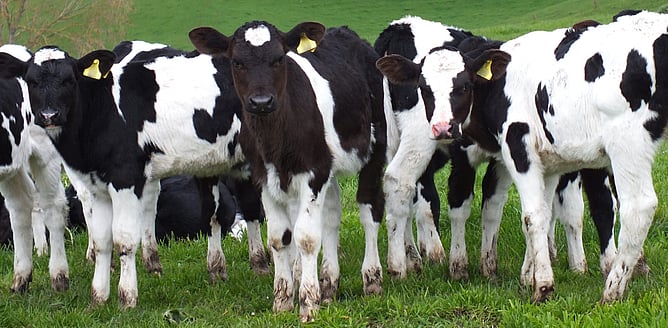
As our calves enjoy the spring flush and some warmer weather it is important to keep an eye on growth rates and parasites especially around weaning.
Things we should consider includes normal GI worms (ostertagia/cooperia/trichylostrongylus), lungworm and coccidia.
Calves need to grow at 0.7kg/day on average to meet their liveweight targets and if we can put extra conditions on their backs now when they are young it can act as future buffer or insurance for when feed is short (drought or winter) or when disease knocks them back.
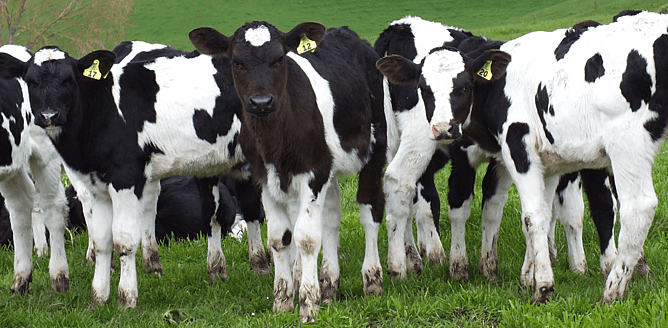
Drenching programs should be done relative to risk and will vary from farm to farm depending on:
Age of animal
How low they are grazing - most worms are in the bottom of the sward
Paddock history - if only youngstock on the property then pastures will be heavily contaminated relative to being on a home dairy platform
Drench previously used - some drenches have limited prolonged activity
Farm drench history – each farm may have a different resistance to certain drench families, genrally youngstock in NZ should be treated with a dual combination drench as a minimum
Signs to monitor for in animals that can suggest parasites
Reduced growth rates
Poor coats
Diarrhea
Straining to defecate
Blood in the faeces
Fever
Coughing
If you see your calves scouring and they are straining or blood is present, then it would be worth bringing a faecal sample to the clinic to see if the mob needs a coccidia drench.
Additionally, if you are using a white drench but still see coughing in the mob then a faecal sample is helpful to see if lungworm is being an issue as opposed to mild respiratory disease.