Bird flu is a topic of conversation, with a few birds found infected in NZ with the current strain of interest, Avian influenzas, H5:N1.
It is a topic for all of us, as wild birds are not separate from our lives and businesses. We have pets - cats and hunting dogs- that catch wild birds, free-range chickens, and cows who often have birds competing for scraps in feed bins.
Signs of bird flu in cows
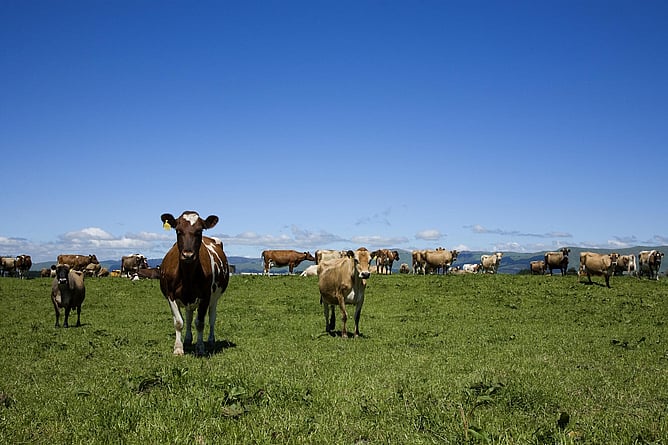
While transition is rare, dairy cows have caught bird flu in America, and have gotten sick, including passing it on to people working with them.
The signs seen included cows being:
off–colour,
with a high temperature,
reduced appetite and milk production,
lethargic and dehydrated, and most interesting
mastitis that looks thick and yellow, like colostrum.
Multiple cows were affected in these cases, and it is thought it was transmitted by the cups during milking.
It is a timely reminder to keep yourselves clean and safe in the shed- whether for bird flu, lepto, salmonella or any other disease - wearing gloves, keeping cuts covered, gumboots, washing your hands before eating or smoking.
Look after your pets
Don't let your cats and dogs touch or play with dead birds. Keep their food away from birds and bird droppings.
If bird flu becomes widespread, keeping cats indoors would be the most effective way of keeping them safe.
While it is ‘rare’ for cats to catch bird flu, 50-70% of cats who catch it will die from it.
Signs are flu-like in cats;
respiratory issues
a high temperature
off food and
lethargy
It is even rarer for dogs to be affected by bird flu, however, it is still advised to stop dogs from catching birds.
If you have free-range chickens, bird flu has the ability to wipe out the flock.
You may just find a lot of dead chickens one morning, or you might have some warning;
hens off food,
lethargic,
swollen wattles,
coughing,
diarrhoea,
a reduction in egg laying
are all causes for concern.
Creating housing and runs that exclude wild birds and their faeces would be the best thing to protect your chickens, but if that is not feasible currently, then at least having their food and water where wild birds cannot access it will reduce the risk.
When out and about, if you notice 3 dead wild birds in one area, please do not touch them, but notify MPI on 0800 809966.
By Jackie Davies